National Parks in Northern Argentina
Updated Sep 29, 2026
Northwest Argentina stands out for its natural wealth and the variety of species it is home to. National parks are protected areas that, under a specific legal framework, aim to preserve native plants and wildlife so that we and all future generations can enjoy them.
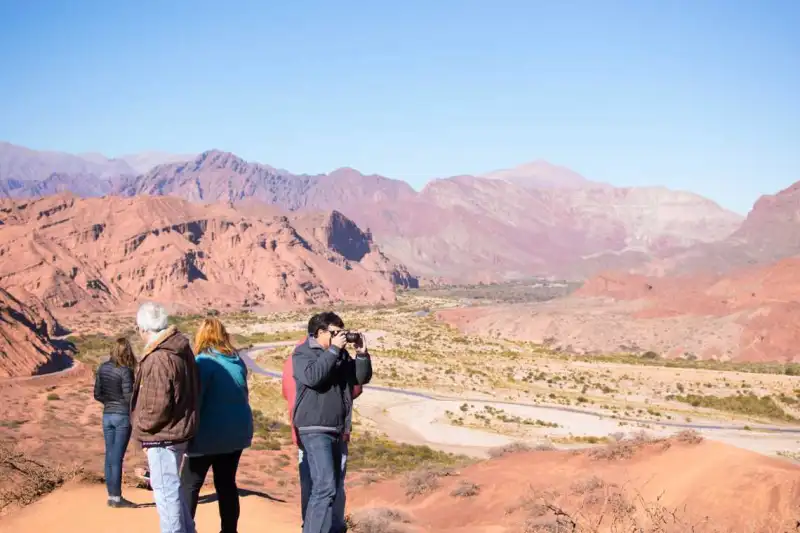
Here are the most important national parks in the provinces of Salta and Jujuy: places of stunning natural beauty that are well worth the trip, even if some are hard to reach.
Los Cardones National Park
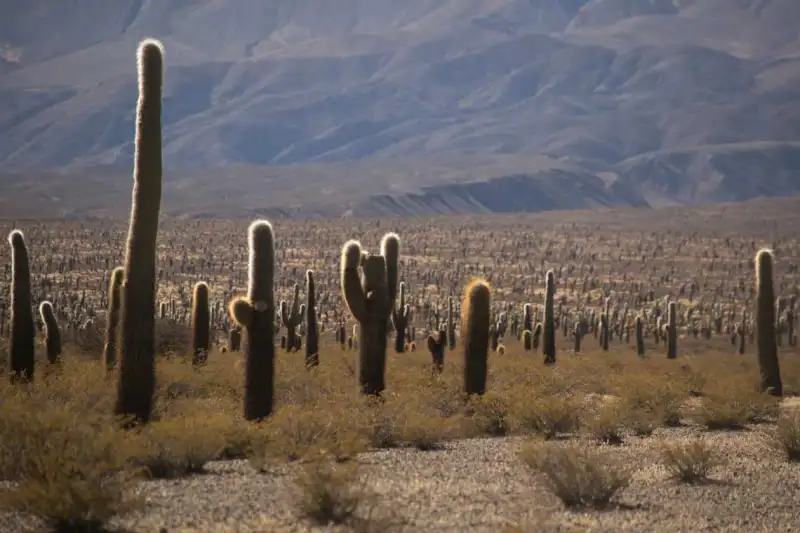
One of the most visited parks (often without visitors even realizing it) is in Salta province. Los Cardones covers about 64,000 hectares (158,000 acres) and was created in 1996 in a landscape of dry mountains that was very important to pre-Hispanic cultures, who found water and pasture for their livestock here.
Although it has little infrastructure for tourists, the park's headquarters are in the village of Payogasta, where visitors can get more information about the reserve.
You cross the park when you travel from Salta to Cachi, and one of its best-known stretches is the Recta de Tin Tin, a 19 km (12 mi) straight road laid with absolute precision over an old Inca road.
The dominant plant in the reserve, which gives the park its name, is the giant cactus Echinopsis atacamensis, known locally as cardón.
Besides these striking cacti, there are paleontological remains such as dinosaur footprints, as well as rock paintings. Despite the arid, harsh environment, the wildlife includes armadillos, several wild cats, foxes, pumas and even condors.
El Rey National Park
It lies about 200 km (124 mi) from Salta city, in the Anta department. It is one of the most biodiverse areas in the north, covering both the Yungas (cloud forest) and the dry Chaco.
Its more than 44,000 hectares (109,000 acres) are covered with rainforest, with rainfall that can reach 2,000 mm (79 in) a year.
Because the altitude varies so much, the park has a variety of forests, jungles and even grasslands where our ancestors, mainly farmers, lived thousands of years ago. Their descendants still live in some parts of the park, and the archaeological finds include pottery with animal motifs and polished stone axes.
El Rey protects a great many animal species. The wildlife includes pumas, tapirs, monkeys, foxes and other wild cats, as well as colorful parrots and hummingbirds.
Among its trees are quebrachos, molles, tipas and guava trees, and even a flower known to exist only in this park: Aphelandra lilacina.
If you want to visit, you can camp in an area with grills and restrooms, free of charge.
Baritú National Park
This is one of the most isolated and therefore least visited national parks in the country. Thanks to its remoteness, it is also one of the most pristine, and its wildlife remains almost intact. The Yungas (cloud forest) are the main ecosystem on its mountains, with true tropical microclimates.
Its more than 70,000 hectares (173,000 acres) are in the Santa Victoria department, in Salta.
The protected forest includes cebil, guava, jacaranda, palo santo and palm trees, and higher up it turns into a mountain cedar forest. Its wildlife includes tapirs, jaguars, pumas, armadillos, foxes and birds such as condors and eagles.
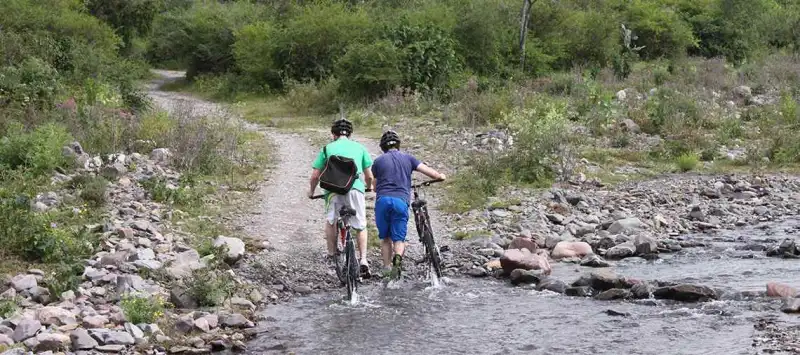
There is no public transportation to the park, but visiting is not impossible. Admission is free, and the best time to go is between April and December.
Calilegua National Park
This park was created in 1979 on the slopes of the mountain ranges in southwestern Jujuy province, mainly to protect the Yungas. With more than 76,000 hectares (188,000 acres), Calilegua is the largest national park in northern Argentina.
It has a hot, humid climate (with up to 1,300 mm, or 51 in, of rain a year) and forms a transition between the Chaco forest and the humid cloud forest.
Its protected species include jaguars, pumas, foxes, capybaras, ferrets, condors, toucans and jays. Calilegua is estimated to be home to almost 50% of the bird species in the country.
We invite you to keep exploring this beautiful region and to help preserve the immense natural heritage that makes it so special!